Lakes and oceans have a seasonal pattern of laying down sediments. These patterns of sediments are known as varves. A varve is a layer or series of layers of sediment deposited in a lake or other body of still water within one year. Varves are used to determine the age of the sediments in dating geological phenomena. These varves can be analyzed for a variety of climatic information including the amount of precipitation, water temperature, and volcanic activity.
Varves are laid down in pairs, or couplets, as light and dark bands. Their thickness can provide information about precipitation and moisture balance, and rapid changes in their patterns can even indicate when an abrupt change in climate occurred.
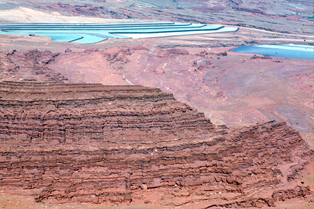
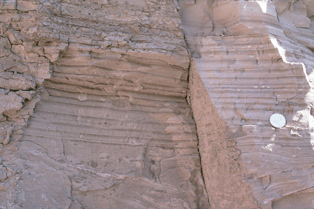
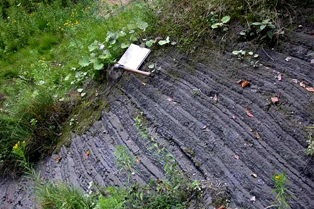
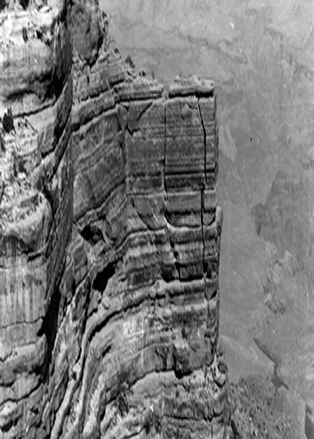
Varves showing lake sediments.